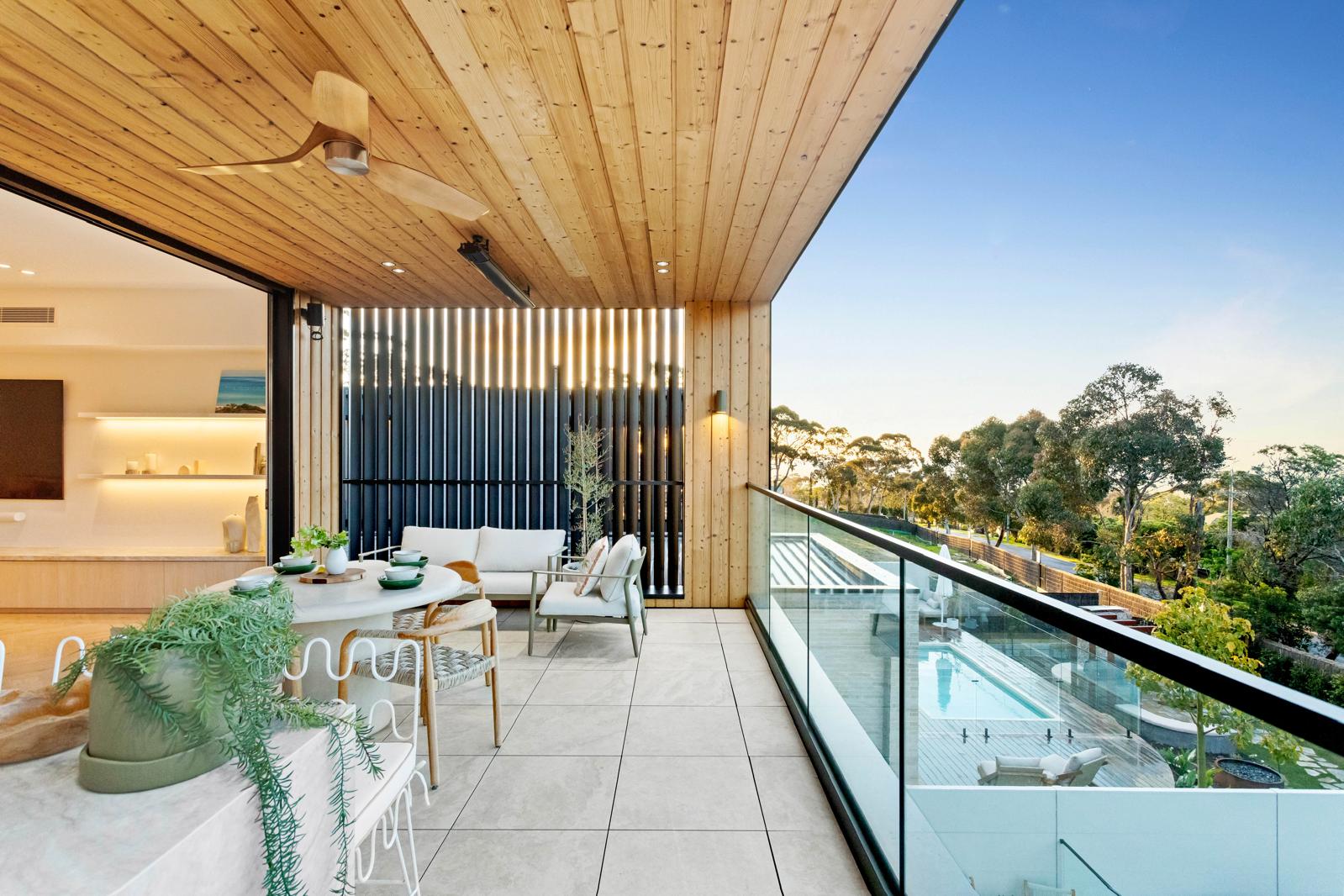
Greville Pabst: Hi, my name's Greville Pabst from WBP Property Group. Today I'm going to talk about buying property off the plan.
Buying off the plan
Firstly, is the purchase off the plan for home occupation, or is it for investment purposes?
The advantage of buying off the plan for home occupation is the tax depreciation allowances, the stamp duty savings, and of course you have an opportunity to have input into the design and layout of that particular apartment.
Buying off the plan for home occupation is often a lifestyle decision, but quite often this comes at a cost. In my experience, cost does not equal value. So the price that you have paid in the contract for an off-the-plan purchase might not necessarily mean the property's current market value — remembering that it can often take 18 months before the project is completed.
Will the property value up at that time at contract price? From the research that I've undertaken, up to 45 per cent of all off-the-plan sales have failed to value up at contract price.
Market value
Let me walk you through an example. The developer will set the plan price — let's say it's $500,000 — and that price is determined by the developer's cost of the land, plus the construction and development costs, plus any marketing costs and sometimes commissions that are included in the sale price. That's not necessarily market value. Cost does not equal value.
What this means is that quite often you can spend tens of thousands of dollars more than what the property is actually worth, and it can take you many, many years to recover from that investment decision.
When considering investments of this type, do some research. It's really important. Look at the data, look at some resale evidence of similar apartments that have resold by that developer. Ask the developer for evidence of the performance of those assets, because if a property hasn't performed in the past as an investment, it's unlikely to start to perform just because you own it.
Financial wizardry
Point two is forget about all the financial wizardry. A property must stand and perform on its own. Those depreciation allowances, the stamp duty savings, are generally not afforded to the next buyer. So make sure a property performs and stands alone without the financial wizardry.
Capital growth
Point three: remember, capital growth comes out of the land. So make sure, when you're investing in real estate, to select highly valuable land. And if it's a block of flats or an off-the-plan purchase, make sure that your share of that highly valuable land is high. What I mean by that is to buy in lower density developments — generally I would recommend in developments of less than 25 apartments.
Scarcity
Point four is make sure the property has an element of scarcity. Property is no different to other asset classes, whether that be art, collectible cars, stamps or coins. It is scarcity that drives value.
Point number five: don't be distracted by the promise of dreams, the glossy brochures, the accountant's projections. Work with what's real. How has the property performed in the past? What is its growth history? If a property hasn't performed in the past, it's unlikely to perform just because you own it.
And finally, use emotions when you buy property. Get emotional about the selection. Just don't get emotional about the price.